How To Grow Pyracantha: The Ultimate Guide
Introduction
Pyracantha is a beautiful and versatile shrub that is easy to grow. It is known for its bright red, orange, or yellow berries, which can be enjoyed in the fall and winter. Pyracantha can also be used as a hedge or screen, or it can be trained to grow against a wall.
In this guide, we will discuss everything you need to know about growing pyracantha, including:
- Choosing the right location
- Planting pyracantha
- Caring for pyracantha
- Pruning pyracantha
- Dealing with pests and diseases
Choosing the right location
Pyracantha is a hardy shrub that can tolerate a wide range of conditions. However, it does best in full sun or partial shade. It also prefers well-drained soil.
If you are planting pyracantha as a hedge, you will need to space the plants 3-4 feet apart. If you are planting pyracantha against a wall, you will need to plant it 30-40 inches away from the wall.
Planting pyracantha
The best time to plant pyracantha is in the spring or fall. When planting, dig a hole that is twice as wide and deep as the root ball. Backfill the hole with soil that has been amended with compost or other organic matter. Water the plant well after planting.
Caring for pyracantha
Pyracantha is a low-maintenance shrub. However, it does need some care to thrive. Here are some tips for caring for pyracantha:
- Water pyracantha regularly, especially during the first year after planting.
- Fertilize pyracantha in the spring with a balanced fertilizer.
- Prune pyracantha in the spring to shape the plant and remove dead or diseased wood.
Pruning pyracantha
Pyracantha can be pruned to any shape or size. However, it is important to prune pyracantha in the spring, before the new growth starts. This will help to prevent the plant from becoming too large or unruly.
Dealing with pests and diseases
Pyracantha is generally a pest- and disease-free plant. However, it can be susceptible to scale, aphids, and fireblight. If you see any pests or diseases on your pyracantha, you can treat them with insecticidal soap or neem oil.
Conclusion
Pyracantha is a beautiful and versatile shrub that is easy to grow. With a little care, you can enjoy this plant for many years to come.
To learn more about pyracantha, visit Garden Wiki. This website has a wealth of information about pyracantha, including its history, care, and varieties.
FAQ of pyracantha
- What is pyracantha?
Pyracantha is an evergreen shrub that belongs to the plant family Rosacea. It is also known as firethorn, and is native to Europe, Asia, and North Africa. Pyracantha is a popular ornamental shrub, and is prized for its colorful berries, which can range in color from orange to red to yellow.
- What are the requirements for growing pyracantha?
Pyracantha is a relatively easy plant to grow, and is adaptable to a variety of conditions. However, it does best in full sun and well-drained soil. Pyracantha is also drought-tolerant, and can tolerate some shade.
- Are pyracantha berries poisonous?
The berries of pyracantha are poisonous to humans and animals. However, they are not typically eaten, as they are very tart.
- How do I prune pyracantha?
Pyracantha can be pruned in late winter or early spring. The goal of pruning is to shape the shrub and remove any dead or diseased branches. Pyracantha can also be pruned to control its size.
- What are some common pests and diseases of pyracantha?
The most common pests of pyracantha are scale insects, aphids, and spider mites. The most common diseases of pyracantha are leaf spot, rust, and fireblight.
Image of pyracantha
- Pyracantha shrub with orange berries.

- Pyracantha shrub with red berries.
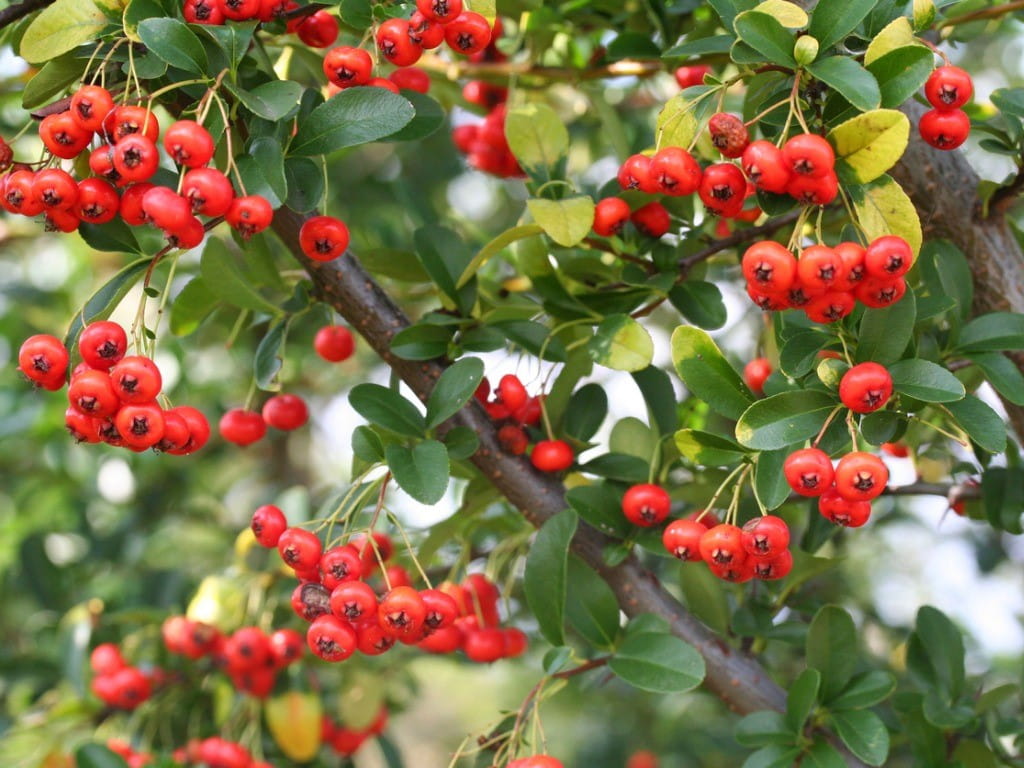
- Pyracantha shrub in full bloom.

- Pyracantha shrub with white flowers.
- Close-up of pyracantha berries.

- Pyracantha shrub with green leaves.
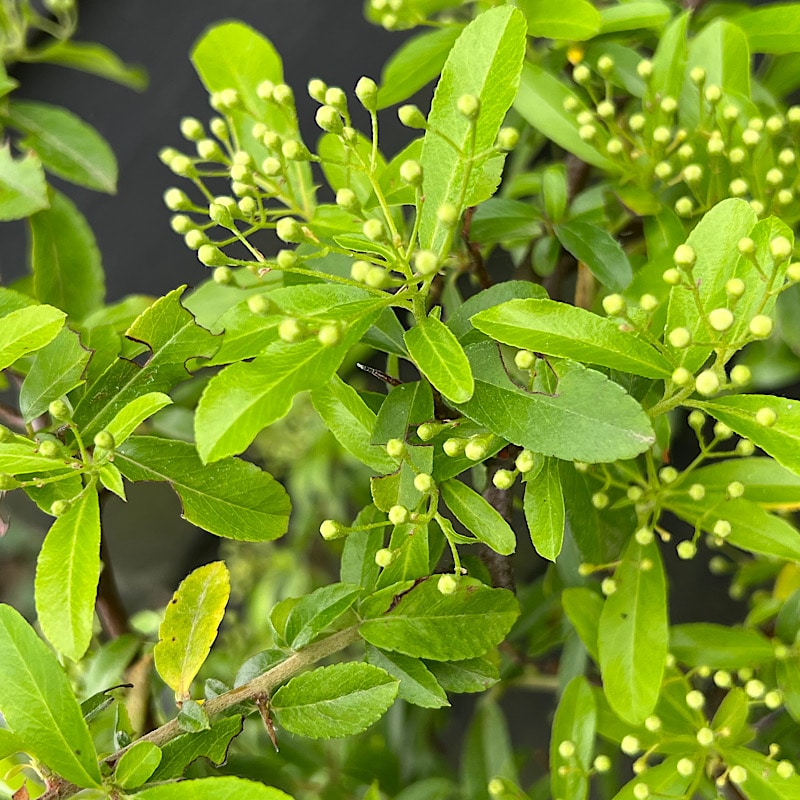
- Pyracantha shrub in winter.
- Pyracantha shrub as a hedge.
-Full-Hedge-Wall.jpg)
- Pyracantha shrub as a privacy screen.

- Pyracantha shrub in a garden.


Post a Comment for "How To Grow Pyracantha: The Ultimate Guide"